

Better Ancestors: Investing Beyond Our Lifetimes
Image: Made by ColorChic
Every day, we are shaping a future we may never see.
Through the decisions we make, the relationships we nurture, and the systems we help shape, we are leaving something behind for those who come after us. Whether we realize it or not, we are all becoming someone’s ancestor.
Being a Better Ancestor is not about perfection. It is about responsibility. It asks us to think beyond ourselves and consider how our actions today might shape the world tomorrow.
Will future generations inherit communities where people belong? Institutions people trust? Systems that help people thrive? Or will they inherit the consequences of what we chose not to change?
Throughout this issue, we explore what it means to invest beyond our lifetimes through philanthropy, community leadership, creativity, systems change, and collective well-being.
Because the future is not something waiting for us ahead. It is something we are creating together.
What is The Asks of All of Us
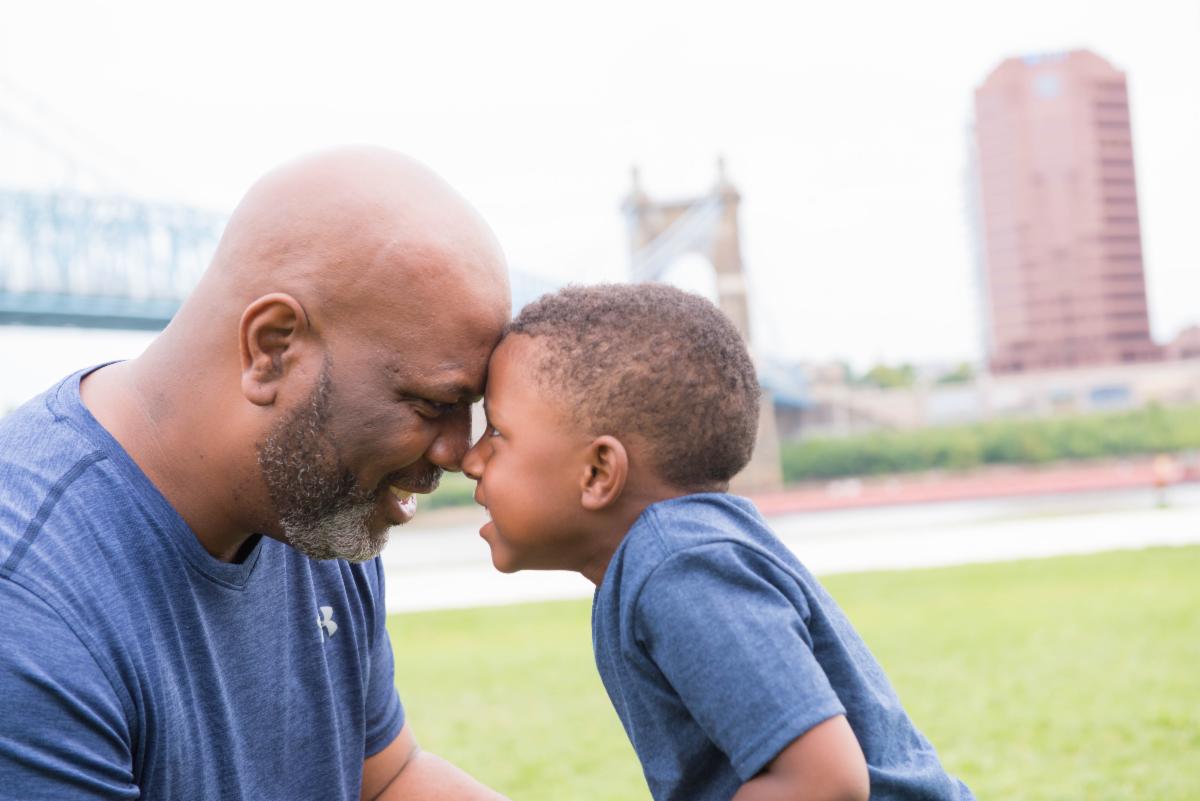 Photo by Blueprint |
This is what becoming a Better Ancestor asks of philanthropy and all of us: to think beyond the immediate and tend to the conditions that allow future generations to thrive. It is funding that trusts community wisdom. Leadership that listens before it directs. Relationships rooted in mutual accountability, shared learning, and a belief that lasting change grows through connection, not transaction.
Not certainty. Not control. Not the promise that every investment will unfold exactly as imagined. Just the courage to plant seeds whose full harvest we may never see. The willingness to invest in people, relationships, and possibilities that can carry communities forward long after we are gone.
It means measuring success not only by what we accomplish today, but by what becomes possible tomorrow. Not simply by what we build, but by what endures. Not only by who benefits now, but by who will inherit the world we are helping to shape.
The answer is still being written. We write it through every decision we make, every resource we steward, every relationship we nurture, and every act of care that expands what is possible for future generations.
That is the practice of being a Better Ancestor, and it begins with what we choose to build today.
Read the full newsletter here.

