
by Irmin Durand | Sep 30, 2026 | Blog
‘Fund nonprofits to win.’ The bold objective of Walter & Elise Haas Fund’s grantmaking redesign.
In 2023, the Fund announced three shifts taking place in its grantmaking practice:
- From silos to integration. Moving from separate economic security, education and safety net programs, it created one Economic Well-being portfolio focused on improving community well-being.
- From symptoms to systems. Rather than treating only the effects of poverty, it now funds organizations working inside the systems that produce cycles of poverty.
- From contributions to commitments. Shifting to long-term partnerships with nonprofits, which includes larger, longer general operating grants and shared responsibility.
‘Fund nonprofits to win’ came out of 18 months of self-examination that led to these shifts.
During that time, the Endeavor Fund was created, a living example of how the Fund was reimagining effective grantmaking.
Seven nonprofits each received grants of $3.5 million over seven years, $24.5 million in total, to close the racial and gender wealth gap. The grantees decided what programs to deepen, how to influence systems, and how to invest in their own capacity, including staff pay and BIPOC leadership development.
Then came a phased redesign process through 2024:
- A review of 20 years of grantmaking, covering 349 grantees and $70M. A key finding was that the Fund was often first to back ideas that others later followed.
- Taking the findings of the review to trustees and sketching an early idea of community well-being.
- Listening—interviews and focus groups with over 50 people, including a group of young people aged 18 to 24.
- Design based on what the Fund heard through this process.
The Fund has since published Nonprofits Don’t Win Alone, a three-year learning report. Its core finding is that when funders listen, stay flexible and respect nonprofits’ agency, grantees do better work.
Learn more about the Walter & Elise Haas Fund’s renewed grantmaking philosophy and the redesign process.
by Irmin Durand | Jun 18, 2026 | Blog
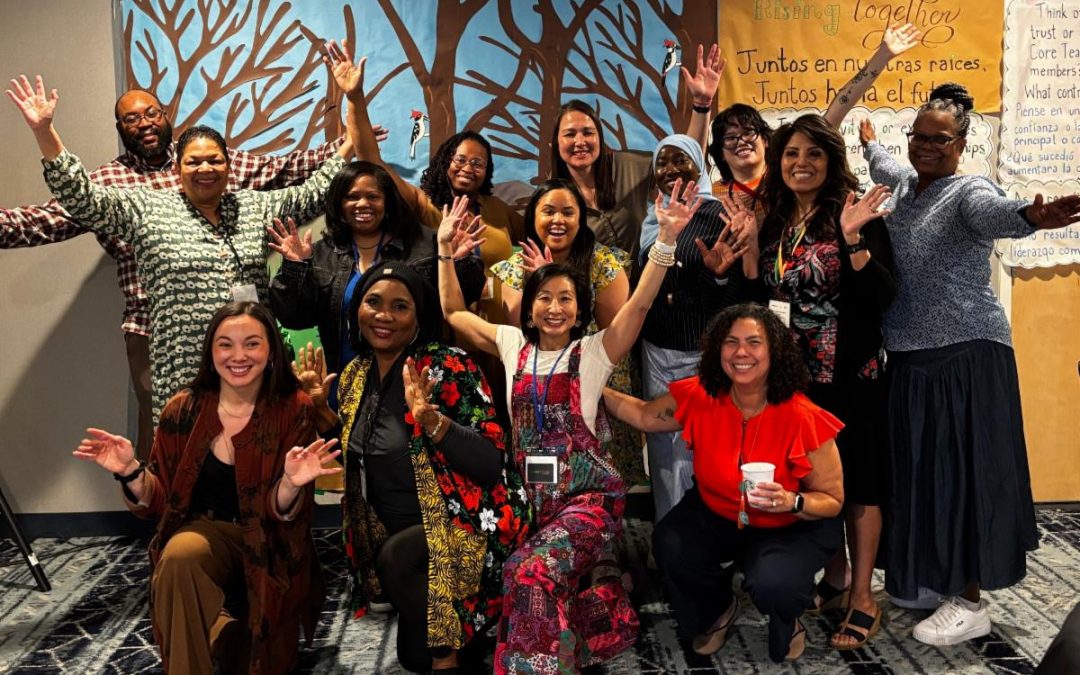
Picture a space, indoors or outdoors, real or virtual. In this space, five, ten, twelve people, maybe more, gather in a circle.
They are philanthropic leaders, funders of health and well-being, justice and equity. They want to be part of building a shared movement for thriving together. They have come with questions and intentions.
They ask themselves and each other, “What creates health and well-being?”
And then, “What are the root causes that lead to unequal health and well-being outcomes?”
They pool their energy, knowledge, experience and perspectives together, seeking responses.
They turn and look at the generations behind them. They examine structures and patterns and reflect on their history. They ask, “What systems created these challenges? What would fairness look like?”
They turn back to the present and look at themselves and each other, their relationships and their practices. They ask, “Who holds power? Whose voices are missing? What needs to change? What practical, powerful strategies can we use?”
They look to the generations to come and arrive at a new question: “What does it mean to be a Better Ancestor?”
They find it is a journey with different strands.

Being a Better Ancestor means engaging in deep generational change. Being in relationship with communities to reimagine and invest in building health, well-being, justice together. Using their collective power, wisdom and assets to transform systems for a more just and abundant world.
These funders seeking to become Better Ancestors are at different points on their journey to change—taking stock of where they are, starting out, sustaining or deepening their efforts, radically reimagining.
Regardless of where they stand, they agree they each have a role in changing the systems that have shaped philanthropy up to now. And that to change the world, they must change themselves.
What strategies, tools and resources will they need for this?
Every month for six months, they meet in the circle—a community of practice and study: Funders as Better Ancestors.
Together, they explore and test approaches to reshaping how philanthropy works in advancing justice and thriving.
They share tools and resources for change—the ones they have already adopted, others they could take on, and others that need to be developed.
They develop practical steps they can take towards philanthropy that is rooted in trust-building, fairness, community wisdom, and shared flourishing. Immediate, intermediate and long-term strategies.
They develop a Funder Compass to guide how they are doing in implementing their chosen strategies.
And they ask each other, “What’s working for you? What’s not working?”
This circle is not a myth. It is taking root in this moment.
For the past 10 years, philanthropy has been changing. Many funders have adopted deeply transformative approaches to their philanthropic practice.
Funders as Better Ancestors, led by WE in the World, invites funders into a shared journey of deep generational change. It has three interconnected strands:
Radically Reimagining the Future of Health for All, a collaboration with Grantmakers in Health, where diverse leaders in health philanthropy come together to imagine, envision and plan a collaborative approach to health equity and systemic change. Launched in September 2025.
Rooted Philanthropy, a framework, practical tools and strategies to accompany funders on their route to change. To be presented during WE RISE & WIN Together Week this July.
A Better Ancestors study circle for peer learning and mutual accompaniment among funders. Convening later this year.
Funders as Better Ancestors is an invitation to radically reimagine the future of philanthropy, to be deeply rooted in community, to leverage practical, powerful strategies for change in philanthropic practice, and to journey together towards a more just and abundant world.
by Irmin Durand | Jun 12, 2026 | Blog
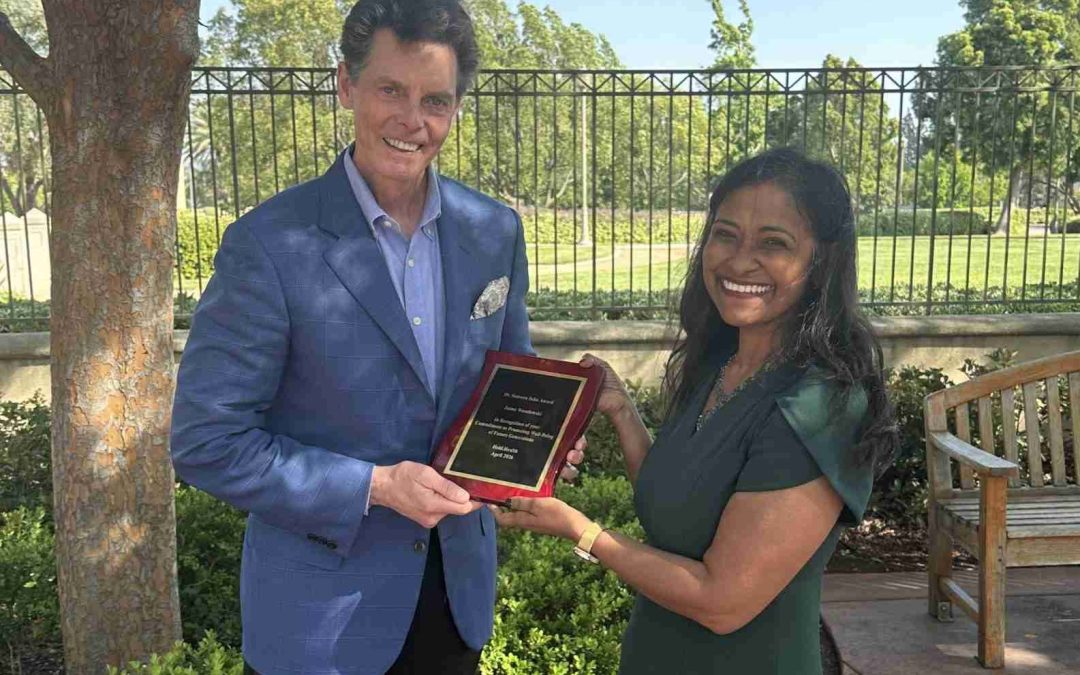
Jaime Wesolowski, President and CEO of Methodist Healthcare Ministries of South Texas, Inc. has been awarded the Dr. Somava Saha Better Ancestor Award for the courage and clarity of his efforts to create a generational foundation for Texans and communities facing the greatest barriers to health and well-being.
The award honors leaders who have transformed experiences of both personal and witnessed hardship to change systems that create the conditions for all to be well.
It was presented by Hold.Health and WE in the World at the Hold.Health Annual Conference in Rancho Cucamonga, California on April 30, 2026.
Read the full story here.
by Irmin Durand | Mar 11, 2026 | Blog
In this March 2026 blog post, the Robert Wood Johnson Foundation (RWJF) states, “Being honest about our history means dismantling patterns that shape how we confront injustice.”
RWJF has been leading a Truth, Repair and Transformation process across the organization. The aim: “transforming how we work so we can more effectively fulfill our mission.”
For RWJF, this has meant choosing “to confront our own role in the injustices that shape the current moment, to model and facilitate the repair of past and ongoing harms.”
RWJF shares three core truths about its origin story that emerged through the Truth, Repair and Transformation process. Truths that matter, RWJF notes, “because they created decision-making patterns that reinforced existing systems of power” and “still shape how boldly we do or do not confront historical injustices and how hard we work to improve conditions for those most marginalized.”
The post shares five ways RWJF is acting on what it learned—practical steps for repairing harm and operating in ways that better align with the organization’s values, mission, and goals.
Read the full blog post here.
